Home Products
All formats
Custom About Us Contact Us Blog info@qicaipress.com Get a Quote

Products — Magazines & Catalogs

Print that sells the next thing.

Catalogs, lookbooks, magazines and reports, printed the way commerce needs them: saddle stitched or perfect bound, on gloss or matt art paper, with color held steady from the first copy to the last. Heidelberg presses, factory-direct from Guangzhou since 1995.

To 64ppSaddle stitched
Perfect BoundBeyond 64 pages
128–157gsmArt paper interiors
Close-up of a bold two-color graphic printed cover showing flat, even ink coverage on coated paper
~64ppSaddle stitch ceiling
Perfect BoundFor higher page counts
105–157gsmGloss & matt art paper
3–5 DaysPhysical proofing
15–25 DaysProduction & packing
What we print

Every edition with a job to do.

One press line covers the whole commercial range — a twelve-page program to a perfect-bound annual report. Select a format to see it.

The anatomy

What actually moves a catalog quote.

Binding, paper and cover choices decide most of the price and all of the feel. These are the calls we help you make — and the ones we control on press.

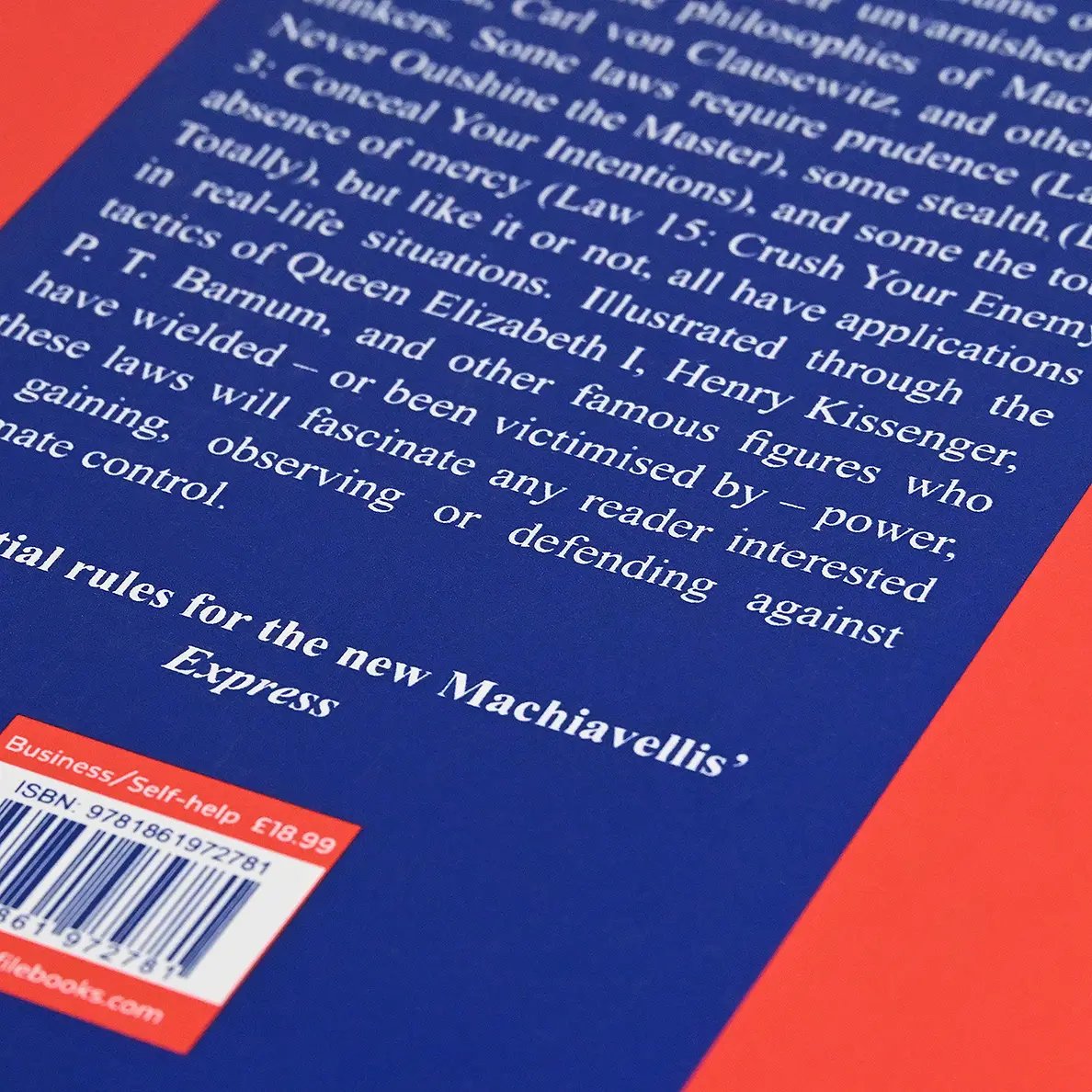
Two-color printed cover showing sharp registration and solid ink density
Ink density & registrationHeidelberg presses
Laminated printed cover with a smooth, even surface finish
Cover laminationGloss, matt, soft-touch
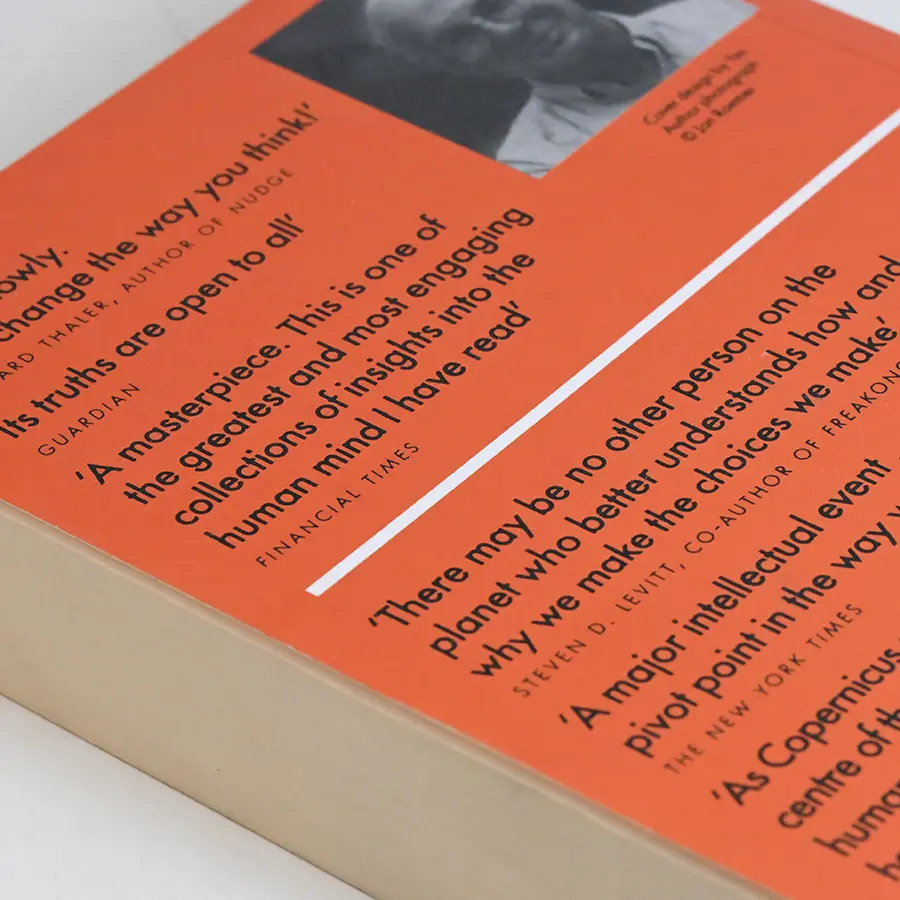
Printed covers with color held consistent across copies
Color, copy after copyPress-side control
01

Binding, chosen honestly

Saddle stitch is the economical choice under roughly 64 pages; beyond that the fold thickens and perfect binding takes over. Page count and paper thickness set the line — we quote both when it is close.

02

Self cover or plus cover

A self cover runs on the same stock as the pages — light, cheap, right for programs. A plus cover adds heavier board and lamination for editions meant to be handled and kept.

03

Art paper, 105–157gsm

Gloss for saturated product photography, matt for text-heavy pages and a quieter finish. We send paper dummies so you judge the weight by hand, not by the number.

04

Lamination & spot UV

Matt or gloss lamination carries the cover through mailing and repeated handling; spot UV lifts a logo or hero image off the page without shouting.

05

Fold-outs & gatefolds

Gatefold covers and fold-out spreads give a hero product double width — planned into the imposition so they land exactly where the story needs them.

06

Versioned editions

Regional prices, languages or ranges from one master file. Black-plate changes keep versions inexpensive and the color identical across all of them.

07

Press-side color control

Densitometer checks and pulled sheets throughout the run, so the last copy off the press matches the first — and next season's edition matches this one.

08

Packing for distribution

Bundling, shrink-wrap and carton marking to your distribution list — mailing-ready when the pallet lands, not after a repack.

The case for print

Fewer catalogs. Better ones.

When the product lives online, the catalog changes jobs. It is no longer the price list — it is the brand statement: the one piece a customer holds, keeps on a counter, hands to someone else. The brands still printing are printing less often and much better.

That is work we are built for: lookbooks that behave like retail objects, editions art-directed to be kept, and color management that makes the spring edition sit next to autumn's without an argument.

Plan your next edition

Editions worth keeping

Smaller runs on better paper, with covers finished to survive the coffee table as well as the mailbox.

Lookbooks as retail objects

Heavier covers, generous margins, a spine if the page count allows — pieces that sit on the counter and get picked up.

Color that repeats by season

Ink recipes and press profiles kept on file, so reorders and next season's edition match what your customers already hold.

Delivered ready to send

Bundled, shrink-wrapped and carton-marked by destination — one pallet, straight into your mailing plan.

Questions

Before you ask for a price.

Binding rules of thumb, paper weights and the scheduling questions every catalog buyer asks.

Saddle stitch vs perfect bound

Print-ready files checklist

How to choose book paper

Saddle stitch or perfect bound — how do I choose?

The rule of thumb is page count: up to roughly 64 pages, saddle stitch is cheaper, opens flatter and lies lighter in the mail. Beyond that, the folded spine grows too thick and perfect binding takes over — and gives you a printable spine. Heavier paper lowers the crossover point; we will tell you which side of the line your spec falls on.

What is the difference between a self cover and a plus cover?

A self cover is printed on the same paper as the inside pages — the whole piece runs as one stock, which is the cheapest route for programs and supplements. A plus cover uses a heavier sheet, usually laminated, and is the right call for anything you want handled more than once or kept on a shelf.

How do I pick a paper weight without blowing the mailing budget?

Weight is feel and postage at the same time. 105–128gsm reads as a working catalog and keeps mailing costs down; 157gsm reads as a lookbook and adds grams fast across 64 pages. We send a made-up paper dummy at your exact spec so you can weigh the finished piece before you commit to the run.

Will a reorder match the color of the first run?

Yes — that is a process, not a promise. We keep your approved press sheets, ink recipes and profiles on file, and each reprint is checked against them on press. Seasonal editions are run under the same discipline, so the covers line up on a shelf without a visible drift.

Can you print versions for different markets or languages?

Efficiently, yes. We build all versions from one master: shared color plates, with only the black plate — text, prices, part numbers — changing between them. You pay for one setup and modest plate changes, and every version carries identical imagery and color.

What is the real timeline for a seasonal catalog?

Proofing runs 3–5 days and production 15–25 days after approval. Sea freight adds roughly 3–5 weeks to North America or Europe depending on the port, so a seasonal edition wants files locked about three months before the mail date. Air freight can rescue launch copies; we schedule backwards from your drop date and handle the export paperwork.
Tell us about your edition.

Format, page count, paper, cover finish and quantity — or just what you know so far. A factory quote comes back within 24 hours.

info@qicaipress.com

Files are handled in confidence. Press profiles are kept for your reorders.