Home Products
All formats
Custom About Us Contact Us Blog info@qicaipress.com Get a Quote

Products — Paperback Books

The workhorse, built properly.

Perfect-bound printing without the shortcuts: PUR or section-sewn spines, 250–350gsm laminated covers, cream or white text stock from 70–100gsm. From a single proof copy to editions in the tens of thousands, on the same Heidelberg presses. Factory-direct from Guangzhou since 1995.

250–350gsmLaminated cover stocks
70–100gsmCream or white text
PUR · SewnSpines that stay shut in the right places
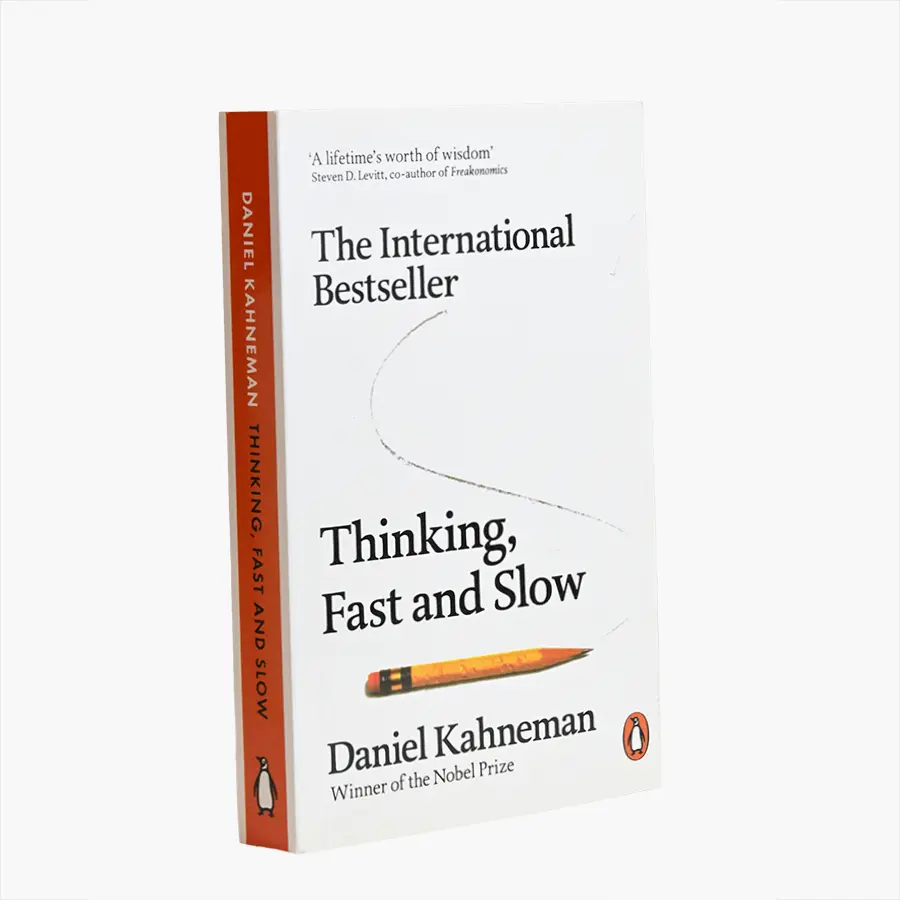
White trade paperback standing upright with a matt laminated cover
250–350gsmLaminated cover
70–100gsmCream or white text
PUR · EVA · SewnSpine construction
3–5 DaysPhysical proofing
15–25 DaysProduction & packing
What we build

Every kind of soft cover.

One binding line runs the whole range — airport novels to mission editions in five languages. Select a format to see it.

The anatomy

What holds a paperback together.

A soft cover is only as good as its glue line, its cover stock and its spine math. These are the decisions we make in-house, and explain before you pay for them.

French flap paperback showing the folded cover edge and square spine
French flaps, square spineScored, not cracked
Several language editions of the same paperback laid side by side
Language versions on one setupBulk edition discipline
Softcover book spine and cover under matt lamination
Matt lamination, printed spineReads on the shelf
01

PUR vs EVA, honestly

PUR is markedly stronger and stays flexible, so pages hold through hard use and cold shipping. EVA costs less and serves perfectly well over a sewn block. We quote what the book needs, not the dearer glue by default.

02

Section sewing, optional

Signatures sewn through the fold under a soft cover — the block opens flatter and outlives the glue. Worth specifying for thick books, daily-use titles and long print lives.

03

Cover stocks & lamination

250–350gsm one-side-coated board under gloss or matt film, with anti-scuff matt lamination for dark solids that would otherwise show every fingernail.

04

Cream or white text

70–100gsm in cream or white. Cream reads softer and bulks higher, so the same page count makes a fatter, friendlier spine; white suits illustrated and technical interiors.

05

Spine width, calculated

Spine width comes from page count, stock and bulk — we calculate it from the chosen paper and confirm it before your cover goes to plate, so the spine type sits centered.

06

French flaps

Folded cover flaps add stiffness and a place for author notes without the cost of boards. Scored with the grain so the fold stays clean over years of opening.

07

Creep control

On thick books the inner pages of each signature push outward at the fore-edge. We compensate in imposition so margins stay where your designer put them.

08

Export packing

Shrink-wrapped bundles, moisture wrap and double-wall export cartons sized to pallet — packed for a sea crossing, not just the drive to the port.

The economics

The book that carries the reading economy.

Most of the world reads paperbacks. Publishers, ministries of education and NGOs — across Africa, the Middle East and beyond — order them by the tens of thousands, and at that scale the quiet disciplines matter more than any finish: unit cost held steady, paper batched consistently, the fifth reprint matching the first.

That is the work our line was set up for. Runs in the tens of thousands are routine here, shipped to more than 55 countries, with the files, plates and paper specs kept on record so next year's order is a phone call, not a project.

See Education & Textbooks

Bulk runs as routine

Editions in the tens of thousands are everyday work, scheduled on Heidelberg presses with capacity held for reprints.

Unit-cost discipline

Paper buying, imposition and make-ready planned around the run length, so the per-copy price does what volume promises.

Reprints that match

Stocks, ink densities and lamination held to record, so this year's edition sits beside last year's without a visible seam.

Export to 55+ countries

Sea and air freight quoted alongside the print, with export documents handled from our side of the water.

Questions

Before you ask for a price.

Glue, paper and the spine math that actually move a paperback quote.

PUR or EVA binding glue

How to choose book paper

Printing in China: when it pays off

PUR or EVA — how do I choose?

PUR bonds markedly stronger and stays flexible in heat and cold, so it is the default for coated stocks, heavy books and anything shipping long distances. EVA is the economical choice over a section-sewn block, where the thread does the structural work. Tell us the book's life and route and we will quote the one it needs — or both, if it is close.

When is section sewing worth it under a soft cover?

When the book is thick, opened daily, or expected to last years — study guides, scripture, reference. Sewing costs more per copy but the block opens flatter and no longer depends on the glue line alone. For a novel read once, straight PUR is honest value.

Cream or white paper?

Cream is kinder on the eye for long-form text and bulks higher, giving a more substantial spine at the same page count — the standard for fiction. White renders images and tints accurately and suits nonfiction with charts or photographs. Both run 70–100gsm; we send swatches with every sample book.

How is spine width calculated, and why do final cover files wait for it?

Spine width is page count multiplied by the bulk of the chosen paper, plus the cover boards. Change the stock and the spine changes with it — which is why we confirm the exact figure after paper is locked, and ask you to hold the final cover file until then. It is the difference between a centered spine title and one that wraps onto the front.

What happens to the price at 5,000, 10,000, 50,000 copies?

Offset make-ready is a fixed cost, so the per-copy price falls steeply from 5,000 to 10,000 and keeps easing beyond that, until paper becomes most of the bill. At 50,000 you are essentially buying paper, ink and freight at cost discipline. We quote the tiers side by side so you can see where your run sits on the curve.

How does shipping to Africa, Europe or the US actually work?

Production runs 15–25 days after proof approval. Sea freight then adds roughly three to six weeks depending on port — Lagos, Mombasa, Rotterdam and Los Angeles all have well-worn lanes from Guangzhou. Air freight moves launch copies in days. We schedule backwards from your delivery date and prepare export documents ourselves.
Tell us about your book.

Trim size, page count, paper, binding and quantity — or just what you know so far. A factory quote comes back within 24 hours.

info@qicaipress.com

Files are handled in confidence. Paper specs and plates are kept on record for your reprints.