Home Products
All formats
Custom About Us Contact Us Blog info@qicaipress.com Get a Quote

Products — Novels & Special Editions

Fiction, dressed for the occasion.

Novel printing across the whole wardrobe: trade paperbacks and hardcovers on cream or white bookwool, deluxe editions with sprayed edges, foiled boards and illustrated endpapers, and advance copies timed to a launch. Factory-direct from Guangzhou since 1995.

Trade · DeluxeFormats for every tier
Sprayed · StenciledEdge treatments
ARC RunsAdvance copies for launches
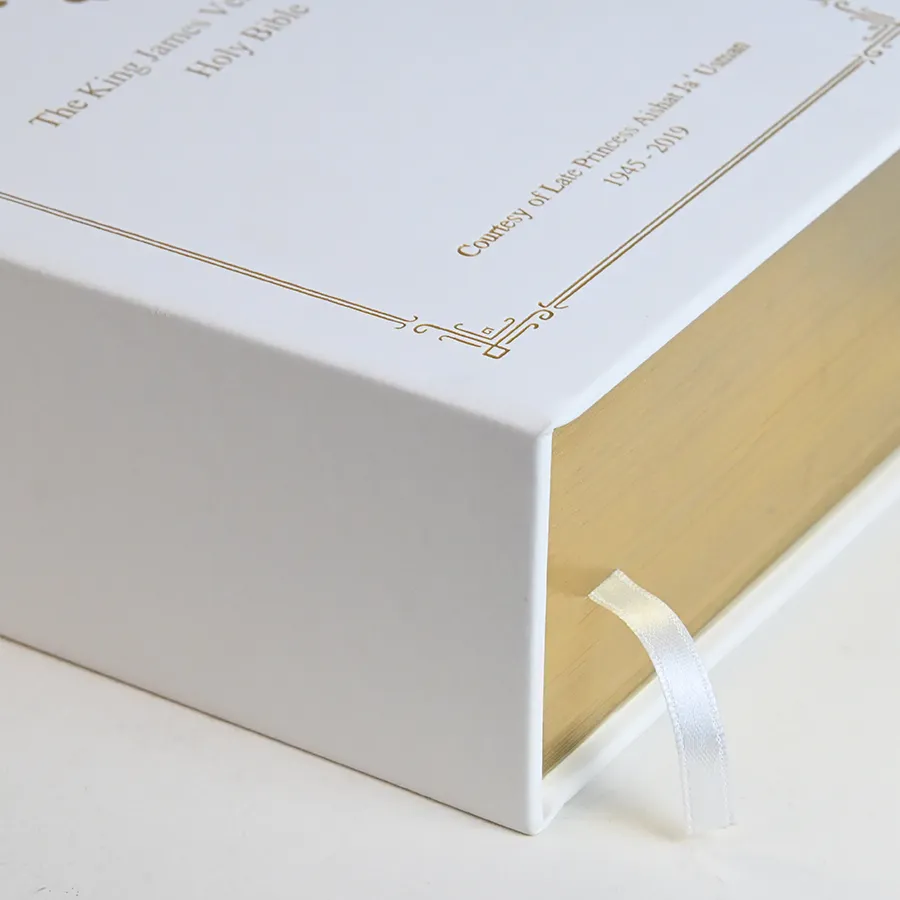
White hardcover with fine gold foil grid titling on the front board, lying on a table
Cream · WhiteBookwool text stocks
Sprayed · Stenciled& gilded edges
Foil · DebossCover & spine dies
3–5 DaysPhysical proofing
15–25 DaysProduction & packing
What we build

Every edition a novel can wear.

One press line carries a title from advance copies through trade run to the deluxe tier — same trim, same text block, different clothes. Select a format to see it.

The anatomy

What separates an edition from a printing.

A special edition is a set of decisions — edges, dies, endpapers, jacket, case, box — each one visible to the reader who paid for it. These are the ones we control in-house.

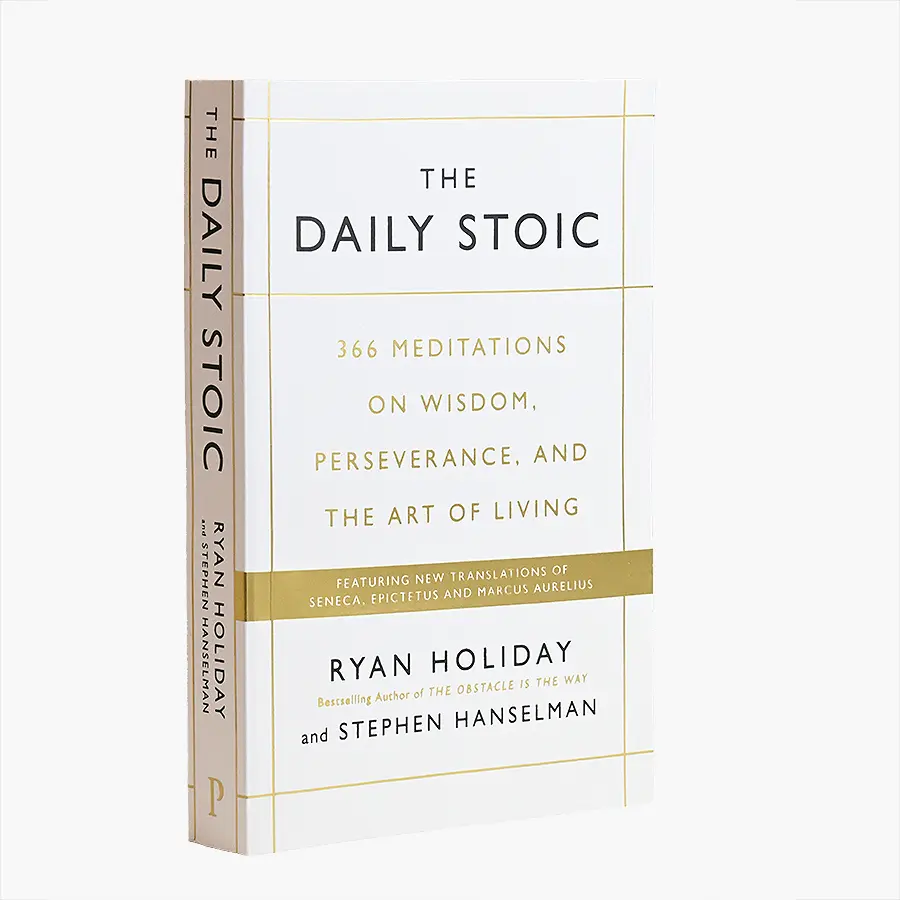
Fine gold foil grid titling stamped on a white front board
Foil titling on the boardCover dies
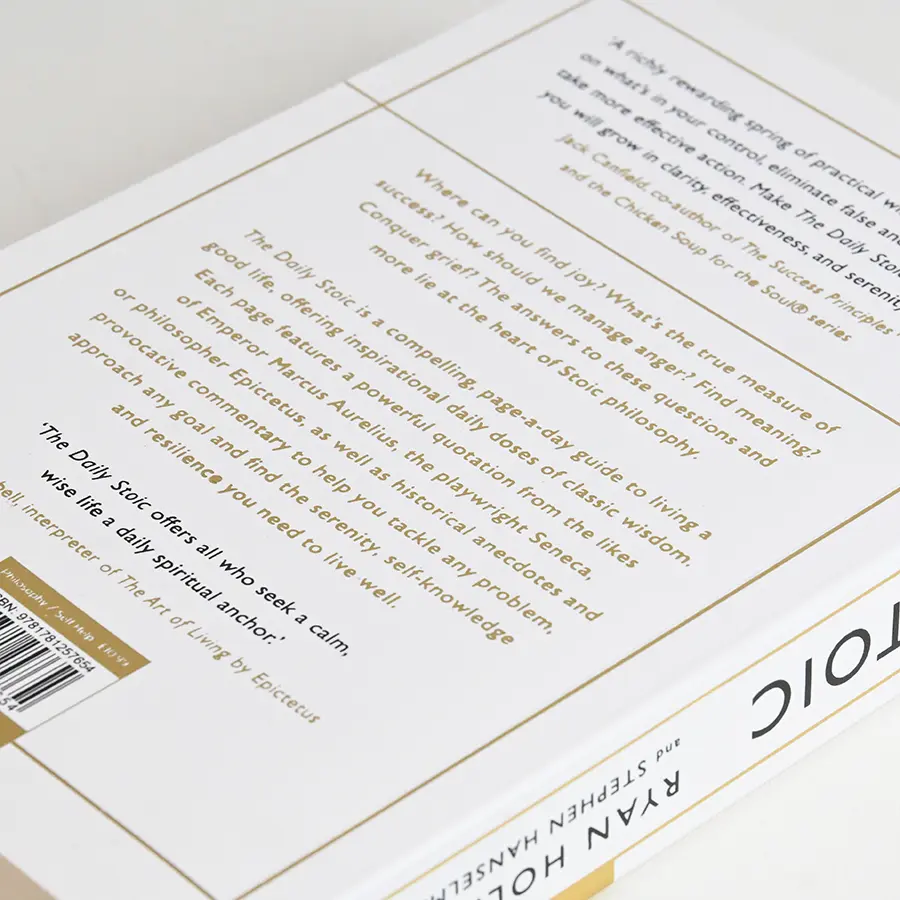
Gold stamped back board and gilded page edges of a white hardcover
Stamped boards, gilded edgesCollector-grade finishing
Presentation box with gold foil frame, gilded edges and ribbon
Boxed presentationSlipcases & boxes
01

Edge spraying

Solid color, gradients and stencil patterns across the book block — color-managed against your artwork proof before the run.

02

Foil & deboss dies

Metallic and pigment foils, blind deboss on cloth and paper cases — brass dies cut for the edition and kept for reprints.

03

Illustrated endpapers

Printed endpapers as a second cover — maps, patterns, character art — on uncoated stock that joins block to case.

04

Jackets, front and back

Printed dust jackets with matched flaps, and reversible jackets carrying alternate artwork on the inner face.

05

Cloth & paper cases

Woven book cloth for the naked-hardback reveal, or printed paper over board with matt, gloss or soft-touch lamination.

06

Ribbons & headbands

Ribbon markers and head and tail bands color-matched to the sprayed edges, the cloth or the foil — small parts readers notice.

07

Slipcases & solander boxes

Board-matched slipcases for sets, and clamshell solander boxes for the top tier — built to the book, not bought off a shelf.

08

Series consistency

Matched trim and spine alignment across volumes, with dies and specifications held on file so book three shelves flush with book one.

The collector moment

Special editions are funding fiction now.

Romantasy shelves and BookTok feeds have made the object part of the story: sprayed edges, foiled boards and reversible jackets sell out where plain reprints sit. Kickstarter campaigns now routinely finance a novel's print run through its deluxe tier — the expensive copies pay for the affordable ones.

We produce these campaigns factory-direct: a physical prototype before you launch, ARCs air-freighted to reviewers, the trade run by sea behind them, and the dies held for the backlist reprint when book two sends readers back to book one.

See Hardcover Books

Deluxe tiers that carry the run

Sprayed edges, foiled boards and slipcases priced as a tier of their own — itemized so you can see which finishes earn their keep.

ARCs & preorder windows

A short advance run months before the trade copies, so reviews and preorders build while the main run is still at sea.

Campaign-ready scheduling

Prototype before the campaign goes live, production locked to the fulfilment window, export packing by pledge tier.

Series backlist economics

Specifications and dies held on file make reprints a phone call, not a project — matched to the first printing, volume after volume.

Questions

Before you ask for a price.

Quantities, timelines and the edition decisions that actually move the quote.

The special edition economy

Smyth sewn vs perfect binding

PUR or EVA binding glue

What is a realistic minimum for a special edition?

Runs typically start in the low hundreds. The dies, edge setup and box tooling cost the same whether you print 300 copies or 3,000, so unit price falls steeply as the run grows — we quote two or three quantities side by side so you can see exactly where yours sits before you commit.

What does edge spraying actually cost?

It depends on three things: the treatment (solid color is simplest, gradients and stencil patterns add masking and passes), the trim size and page count (a thicker block is more edge to cover), and the run length, since setup spreads across every copy. Send the spec and we will price the options against each other.

Can you match a previous printer's trim and spine for a series?

Yes — send a physical copy of the earlier volume. We measure trim, spine width, case materials and stamping, then build the new volume to sit flush beside it on the shelf. The matched specification stays on file so later volumes and reprints hold the line.

How do ARC runs differ from finished copies?

ARCs are working objects: usually paperback, often with plain or interim covers and "not for sale" marking, printed in the low hundreds and air-freighted so reviewers read months ahead of publication. The finished edition follows by sea with the full cover, edges and finishes. We schedule both from the same file set.

Jacket, or no jacket?

A dust jacket carries full-color artwork and flap copy, and protects a cloth case underneath — the traditional trade look. Skipping it in favor of a printed or foiled case costs less, and collectors increasingly prefer the board art exposed. Reversible jackets split the difference. We quote the variants so the decision is a number, not a guess.

How do we schedule around a launch date?

Backwards. Proofing takes 3–5 days, production 15–25 days after approval, and sea freight adds roughly 3–5 weeks depending on port. For a fixed on-sale date we often split the shipment: launch and press copies by air, the bulk of the run by sea arriving behind them. We plan the split with you and handle the export documents.
Tell us about your novel.

Trim size, page count, format, finishes and quantity — or just what you know so far. A factory quote comes back within 24 hours.

info@qicaipress.com

Files are handled in confidence. Dies and tooling are kept for your reprints.