Home Products
All formats
Custom About Us Contact Us Blog info@qicaipress.com Get a Quote

Products — Education & Textbooks

Built for a full school year. And the next.

Textbooks, workbooks and teacher guides printed for the way schools actually use them: PUR or section-sewn bindings, high-opacity text stocks, covers laminated against a year in a book bag — and production scheduled around term starts, not around us. Factory-direct from Guangzhou since 1995.

PUR · SewnBindings built for daily handling
High-OpacityText stocks against show-through
Curriculum CycleScheduling around the school year
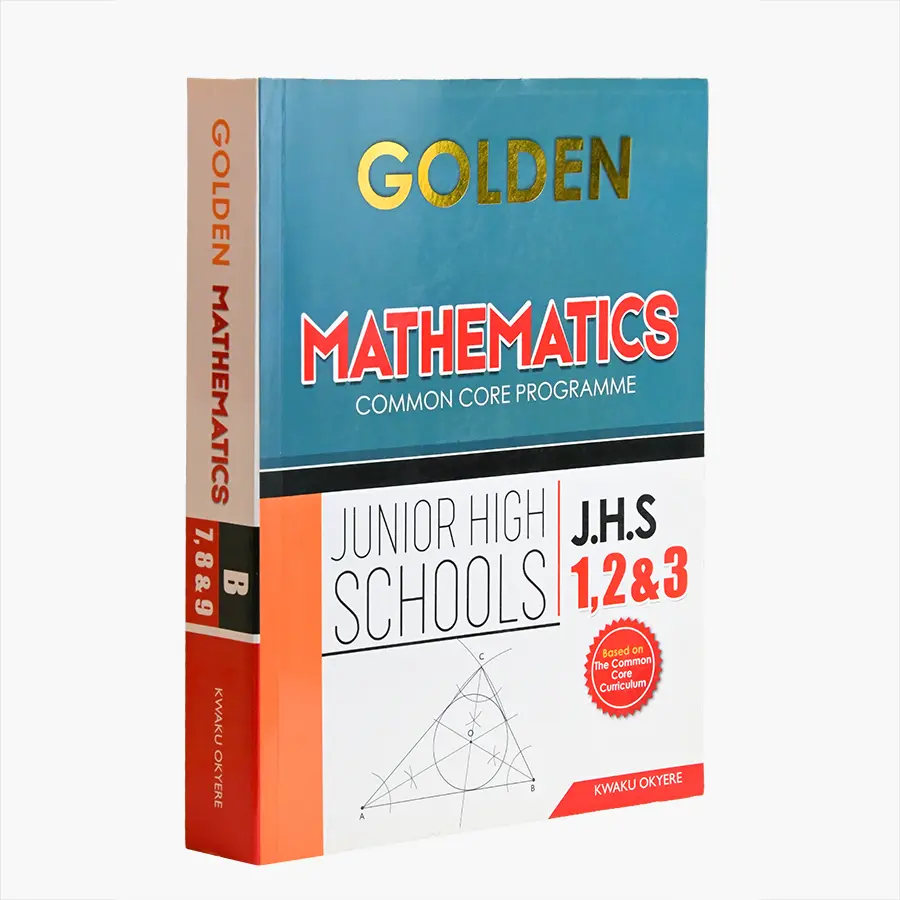
Full-color junior secondary mathematics textbook with an illustrated cover
PUR · SewnSection-sewn or PUR bindings
60–80gsmHigh-opacity text stock
Perf · NumberPerforation & numbering options
3–5 DaysPhysical proofing
15–25 DaysProduction & packing
What we build

Everything a classroom carries.

One line serves the whole school bag — curriculum texts, consumable workbooks, dictionaries that outlast their owners. Select a format to see it.

The anatomy

What a school year does to a book.

Dropped, crammed, written in, passed down. An education edition is specified against that life — these are the parts we engineer for it.

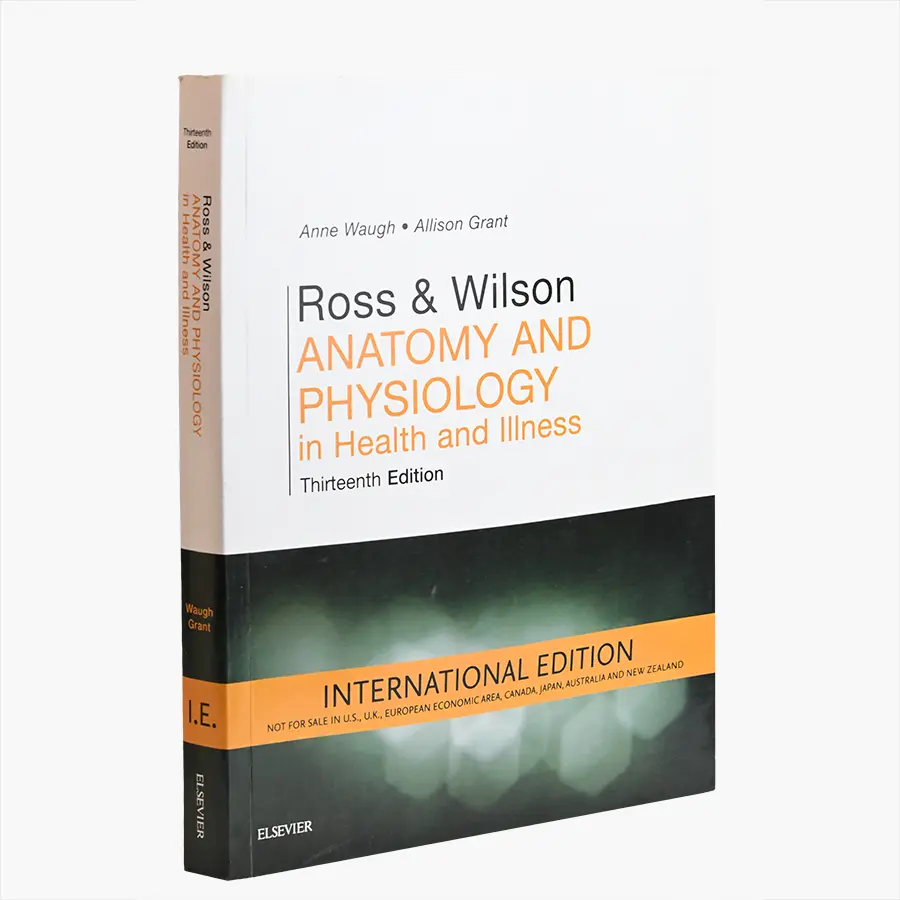
Workbook spine and cover showing binding and lamination
Workbook binding & coverConsumable, not fragile
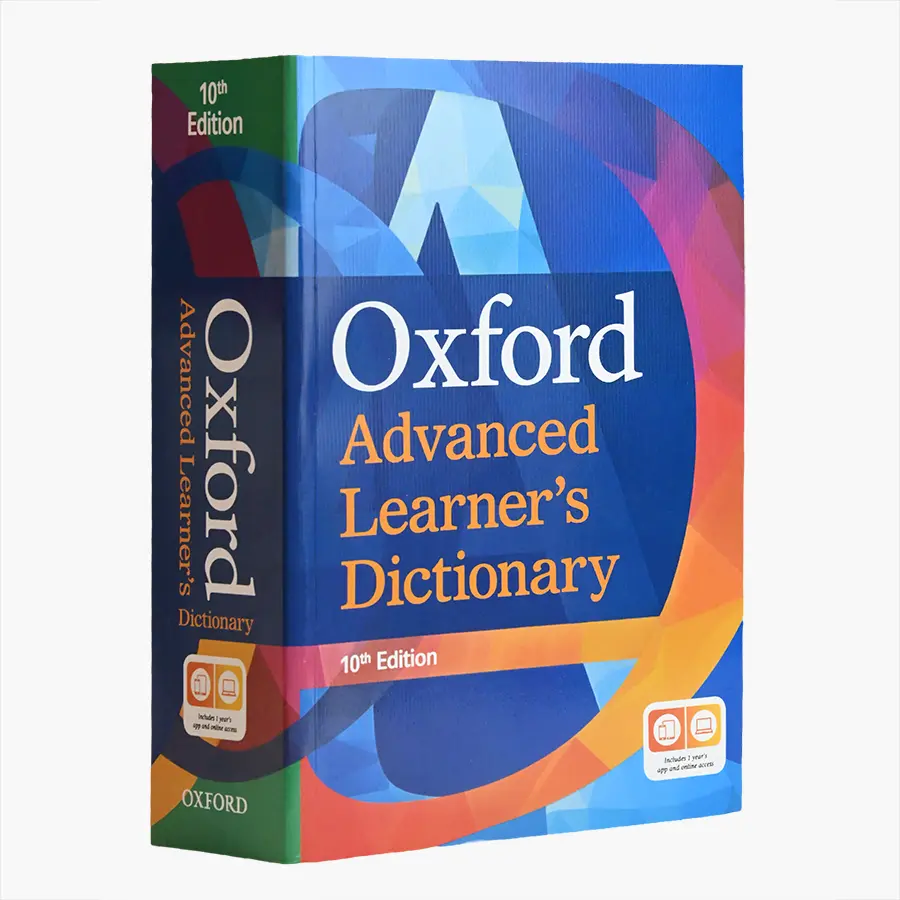
Thick sewn reference volume showing spine and page block
Sewn reference blockBuilt for years of use
Durable institutional edition cover under lamination
Laminated institutional coverTender-spec durability
01

Bindings that last the year

PUR for flexible strength, section sewing where the book must survive being passed to next year's class, reinforced hinges on heavy volumes. Specified to the book's life, not a price list.

02

High-opacity text stocks

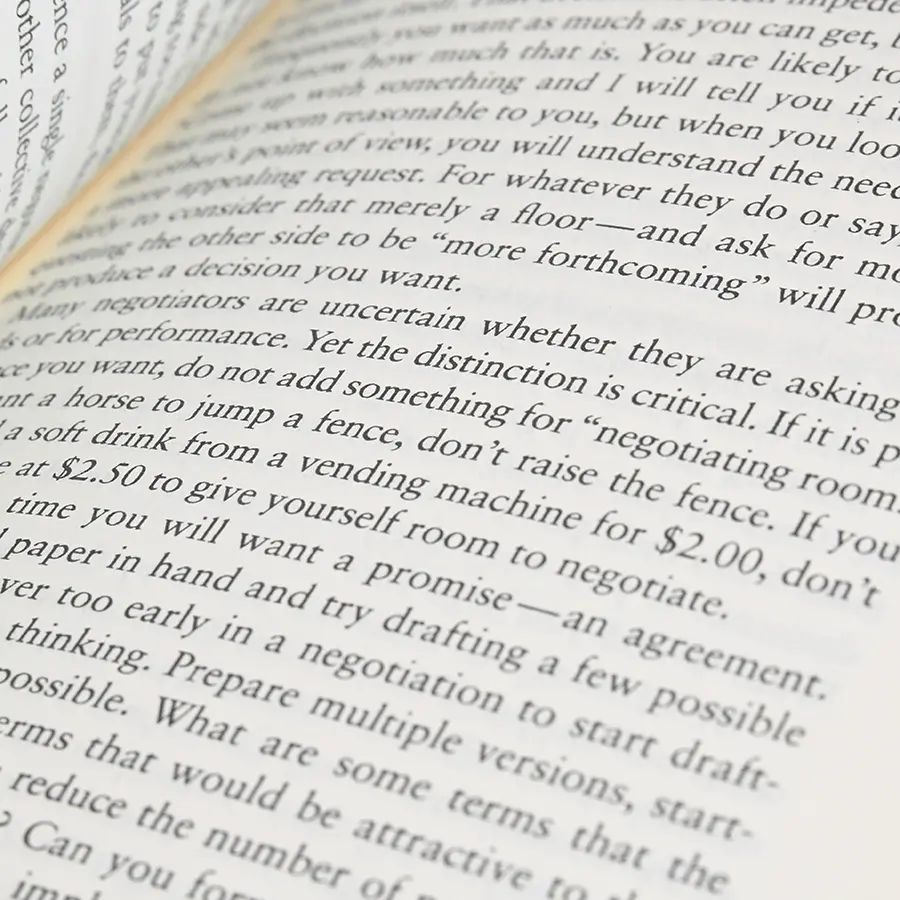
60–80gsm sheets chosen for opacity first, so exercises and diagrams do not ghost through from the other side — the difference between a cheap book and an economical one.

03

Reinforced covers

Heavier cover boards under gloss or matt lamination, with optional flaps and rounded corners — specified against a year of book bags and desks.

04

Perforated worksheets

Micro-perforation for tear-out exercises and answer sheets, positioned clear of the binding so pages leave cleanly and the rest of the book stays put.

05

Numbering & alignment

Sequential numbering, unit and lesson tabs, edition marks and ISBN blocks — the small apparatus that keeps a series aligned with its curriculum across reprints.

06

Two-color economics

Full color where the pedagogy needs it, two-color where it does not. On a long run the difference funds thousands of extra copies — we lay out both prices so the choice is yours.

07

Thin-paper reference

Dictionaries and handbooks on lightweight high-opacity stock, sewn in small signatures — a thousand pages that still fit a school bag.

08

Distribution-ready packing

Cartons counted, labeled and manifested by school, district or region, with moisture wrap for the sea leg — pallets that go straight from port to distribution.

The calendar

Education runs on a calendar. So do we.

Textbook orders do not arrive evenly — they arrive on term starts, curriculum revisions and tender deadlines, often in the hundreds of thousands of copies across a series. Ministries, school groups and NGO programs, from West Africa to the Gulf, plan a year ahead; the printer's job is to be plannable.

We schedule production backwards from the first day of term, hold capacity for the reprint that follows enrolment counts, and prepare the dummies, material specs and certification documents — FSC, BSCI, ISO 9001 — that tender submissions ask for.

See Paperback Books

Term-start scheduling

Production and freight planned backwards from the academic calendar, with proofing at 3–5 days and production at 15–25.

Tender documentation

Bound dummies, paper and binding specifications, and copies of our FSC, BSCI and ISO 9001 certificates, prepared for submission files.

Series-scale capacity

Runs in the tens of thousands per title are routine on our Heidelberg presses, across an 11,416 sqm factory built for them.

Ministry & NGO programs

Long-standing export routes to more than 55 countries, with Africa and the Middle East among the busiest for education editions.

Questions

Before you ask for a price.

Durability, quantities and the scheduling questions that decide an education contract.

PUR or EVA binding glue

How to choose book paper

Printing in China: when it pays off

Which durability specs are worth writing into a tender?

Name the binding (PUR or section-sewn), the text stock weight and opacity, the cover board weight and lamination type, and require a bound production dummy before award. Those five lines separate a book that lasts the year from one that does not — and they are all checkable on a physical sample.

What quantities make sense, and how does unit cost behave?

Education runs typically start around 5,000 copies per title and climb into the tens of thousands, which is routine work for us. Offset setup is fixed, so unit cost falls steeply through 10,000 and keeps easing until paper dominates the bill. For a series, printing titles together compounds the saving through shared paper buying and freight.

Two-color or full color?

Full color earns its cost where photographs, maps and color-coded pedagogy do real teaching work — science, geography, early grades. For language drills and mathematics practice, two-color is often just as clear at a markedly lower sheet cost. We price both so the budget decision is made with numbers, not habit.

What perforation and numbering options are available?

Micro-perforated tear-out worksheets and answer sheets, sequential numbering for controlled-distribution editions, and printed unit or lesson tabs. Perforation is positioned clear of the spine so removed pages do not loosen the rest of the block.

Can you supply dummies and documentation for procurement?

Yes. We produce bound dummies in the specified materials within 3–5 days, alongside paper specifications, binding descriptions and copies of our FSC, BSCI and ISO 9001 certificates — the set most ministry and institutional tenders ask to see before award.

How do we make sure books arrive before term starts?

Work backwards: production is 15–25 days after proof approval, and sea freight adds roughly three to six weeks depending on destination port. For a September start, files should be final by late spring; for January terms, by October. We build this schedule with you at quotation, and air-freight advance copies where a launch cannot wait.
Tell us about your program.

Format, page count, binding, quantities per title and your term date — or just what you know so far. A factory quote comes back within 24 hours.

info@qicaipress.com

Files are handled in confidence. Specifications are kept on record for reprints and follow-on tenders.