Home Products
All formats
Custom About Us Contact Us Blog info@qicaipress.com Get a Quote

Products — Hardcover Books

Hardcovers with a spine worth judging.

Case-bound book printing the traditional way: Smyth sewn blocks on 2–3mm binder's board, wrapped in printed paper, cloth, linen or leather — finished with foil, blind deboss, printed endpapers, jackets and slipcases. Factory-direct from Guangzhou since 1995.

2–3mmBinder's board cases
Smyth SewnSignatures, not glue alone
30–50%Typical saving vs local print
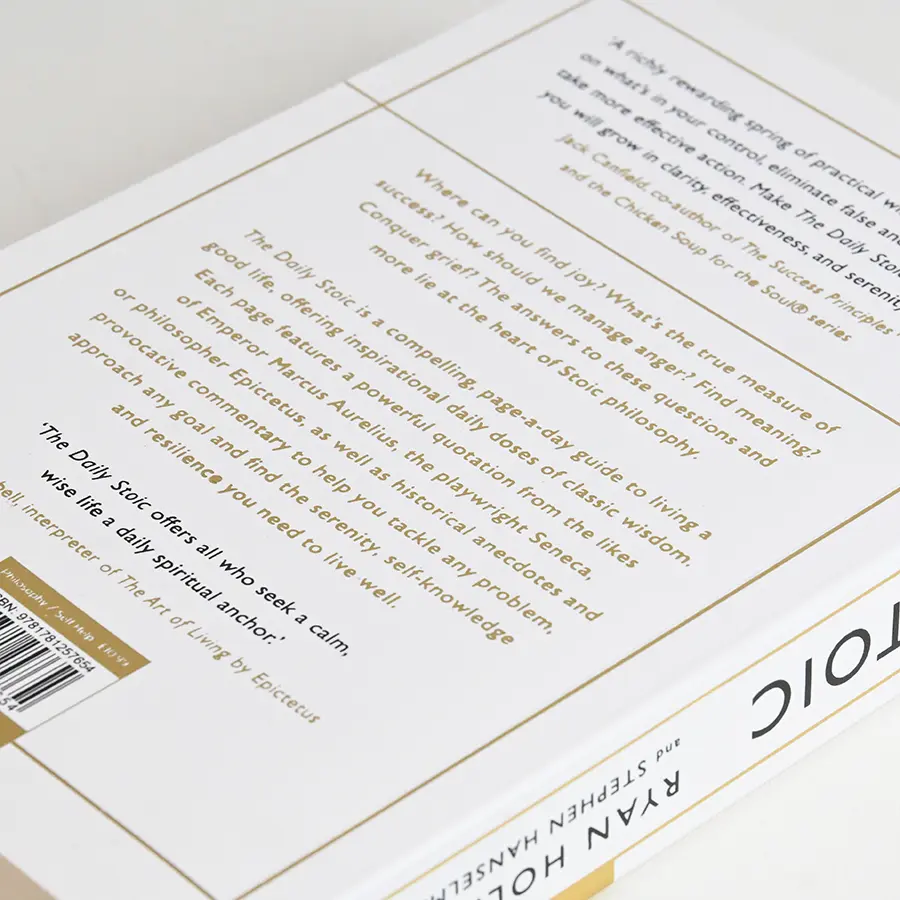
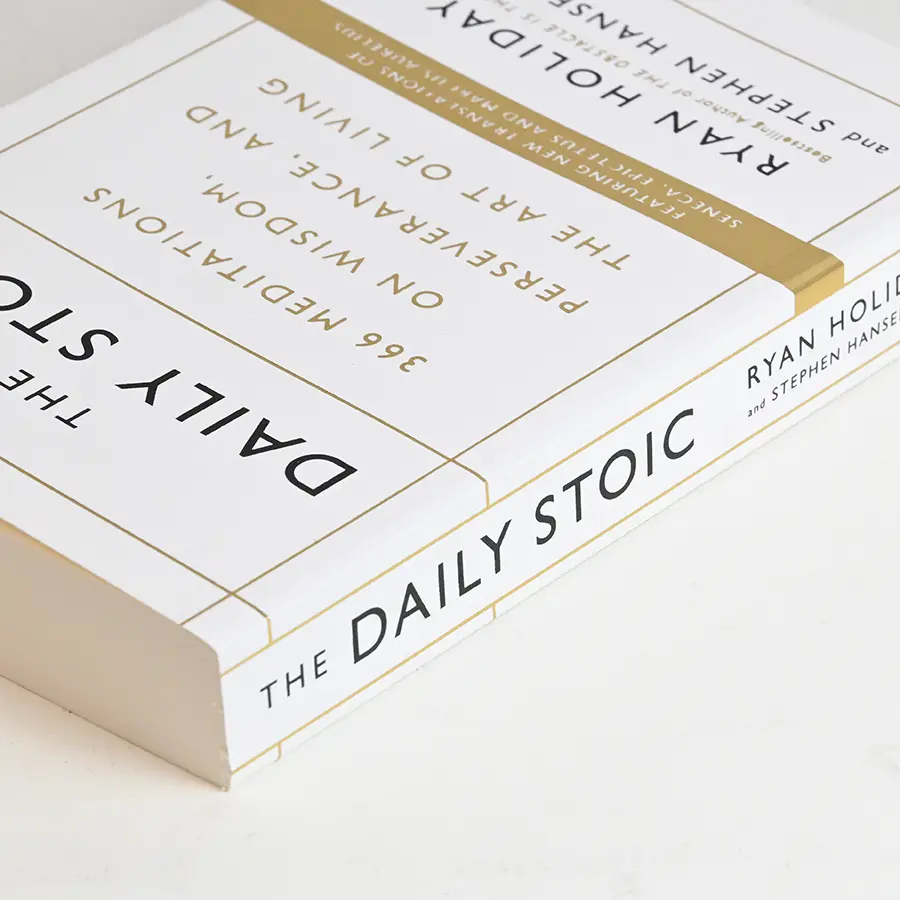
White case-bound hardcover with gold foil spine band and stamped titling, lying on a table
2–3mmGreyboard by trim size
140–180gsmEndpapers, plain or printed
Foil · DebossCover & spine stamping
3–5 DaysPhysical proofing
15–25 DaysProduction & packing
What we build

Every way to case a book.

One case-binding line covers the whole range — trade fiction to ten-year textbooks to collector editions. Select a format to see it.

The anatomy

What a case is actually made of.

A hardcover is a small piece of engineering: board, cloth, thread, paper and glue in the right order. These are the parts we control in-house.

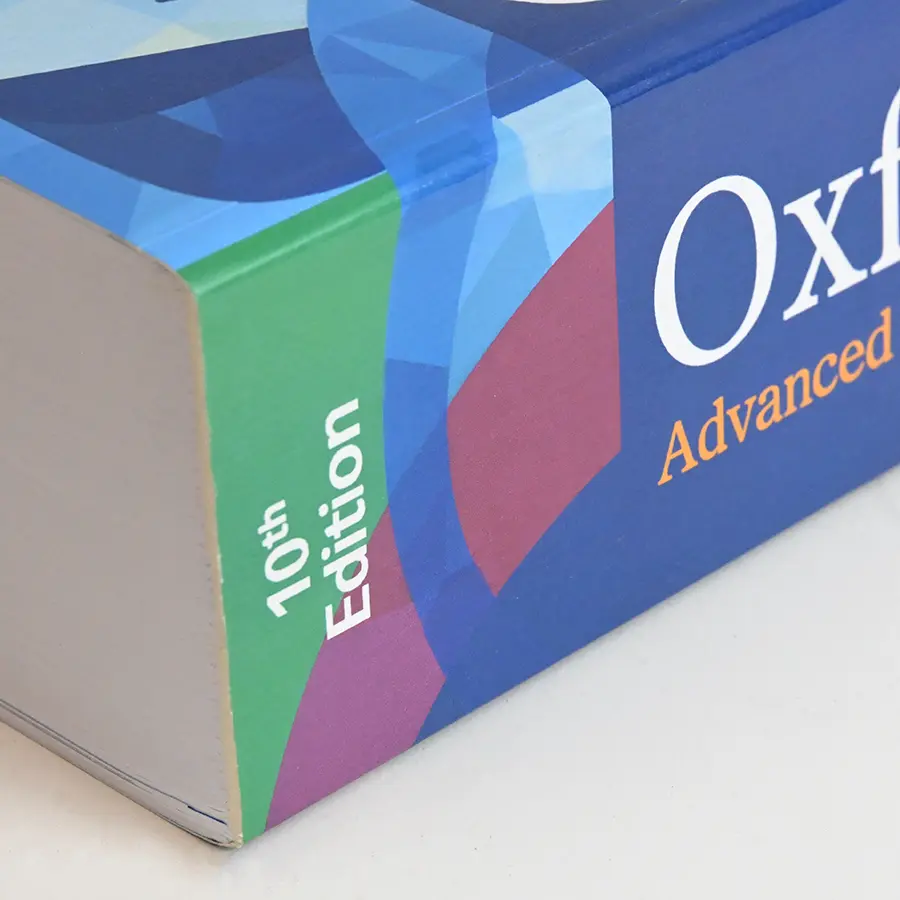
Corner and spine of a thick case-bound book showing board and square back
Case corners & square back2–3mm board
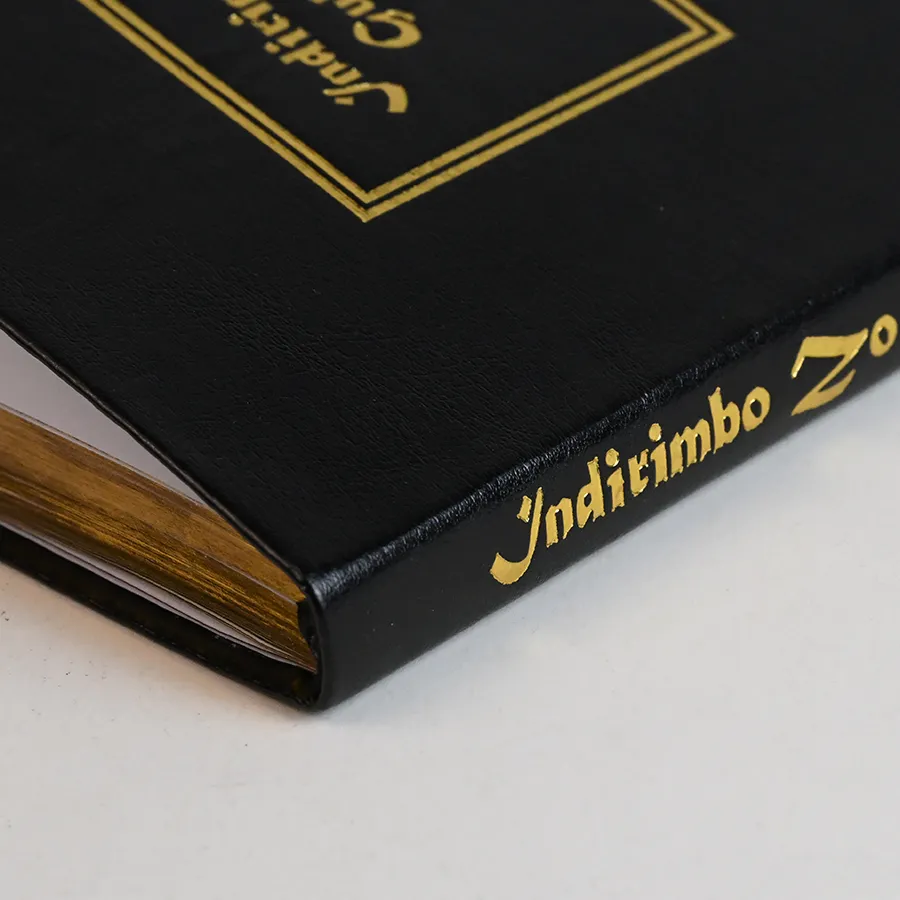
Gold foil stamping on black PU leather case with art-gilt edges
Foil on leatherSpine & cover dies
Gold stamped back board and gilded page edges of a white hardcover
Stamped boards, gilded edgesGift-grade finishing
01

Binder's board

2mm greyboard for smaller trims, 2.5–3mm as format and page count grow — warp-resistant and square at the corners.

02

Smyth sewn block

Signatures sewn through the fold before casing-in. The book opens flat and the block never parts from its spine. Adhesive-only casing available where budget leads.

03

Cover wraps

Printed and laminated paper, linen and cotton book cloth, buckram, textured papers, PU and genuine leather — matched to grain direction.

04

Endpapers

140–180gsm uncoated stock joining block to case — plain, tinted, or printed as a design surface of their own.

05

Spine & headbands

Rounded-and-backed or square-back spines, with head and tail bands color-matched to cloth, edges or ribbon.

06

Foil, emboss & deboss

Metallic and pigment foils, multi-level embossing, blind deboss on cloth — brass dies cut and kept for your reprints.

07

Surface finishes

Matt or gloss lamination, soft-touch, spot UV over foil — plus anti-scuff lamination for dark solids.

08

Edges & extras

Sprayed or gilded edges, ribbon markers, printed dust jackets with matched flaps, slipcases and presentation boxes.
The special-edition moment

Readers now collect books, not just read them.

Sprayed edges, foiled boards, illustrated endpapers, reversible jackets — what used to be a major-publisher luxury is now the engine of indie publishing, driven by BookTok and crowdfunded editions. A hardcover that costs a few dollars more to make routinely sells for several times the difference.

We produce these runs factory-direct: one bindery for the board, the foil, the edges and the box, with a physical prototype in your hands before you charge a single backer.

See Novels & Special Editions

Sprayed & stenciled edges

Solid, gradient and stencil-pattern edge spraying, color-managed against your artwork proof.

Foiled & debossed boards

Case-stamped artwork under the jacket — the "naked hardback" reveal collectors photograph.

Illustrated endpapers & jackets

Printed endpapers, reversible dust jackets and interior color plates from the same press sheet discipline.

Crowdfund-ready scheduling

Prototype before launch, production locked to your fulfilment window, export packing by pledge tier.

Questions

Before you ask for a price.

Quantities, timelines and the case-binding decisions that actually move the quote.

The anatomy of a hardcover

Smyth sewn vs perfect binding

The special edition economy

When does printing hardcovers in China pay off?

Typically from around 500 copies, where offset make-ready and case-making setup spread across the run — publishers commonly save 30–50% against local pricing even after sea freight. Below that, we will tell you honestly if a local digital printer serves you better.

How long from approval to my warehouse?

Production runs 15–25 days after proof approval. Sea freight adds roughly 3–5 weeks to North America or Europe depending on port; air freight compresses that to days for launch copies. We schedule backwards from your on-sale date and handle export documents.

Sewn or glued — does it matter?

Smyth sewing stitches the signatures before the case goes on, so the block opens flat and survives years of handling; it is the default for anything meant to last. Adhesive-only case binding costs less and suits lighter books with shorter lives. We quote both when it is a close call.

Cloth cover or printed paper case?

Printed paper over board carries full-color artwork and lamination — the standard trade look. Cloth and linen take foil and blind deboss beautifully and age better with handling; they cost more and carry imagery only by stamping or tip-on. Many editions combine both: cloth spine, paper sides.

Can you do small special-edition runs?

Yes — collector and crowdfunded editions often run 500–3,000 copies. Sprayed edges, foil dies and slipcases carry setup costs, so unit price falls steeply as quantity rises; we itemize every finish so you can decide which ones earn their keep.

How do I judge quality before committing?

Order a sample book of past work in your chosen materials, then a pre-production prototype of your own title — 3–5 days. Check the corner turn-ins, the endpaper joints, and whether the block opens flat. That inspection is exactly why we insist on sending one.

Tell us about your book.

Trim size, page count, cover material, finishes and quantity — or just what you know so far. A factory quote comes back within 24 hours.

info@qicaipress.com

Files are handled in confidence. Dies and tooling are kept for your reprints.